Across the globe, public transportation systems have faced unprecedented challenges due to disruptions caused by the COVID-19 pandemic and other factors. In response, transit modernization projects have become pivotal in regaining ridership and restoring public confidence. These initiatives focus on upgrading infrastructure, integrating technology, and improving service quality to adapt to changing commuter needs and safety concerns.
Advancing Infrastructure to Enhance Reliability
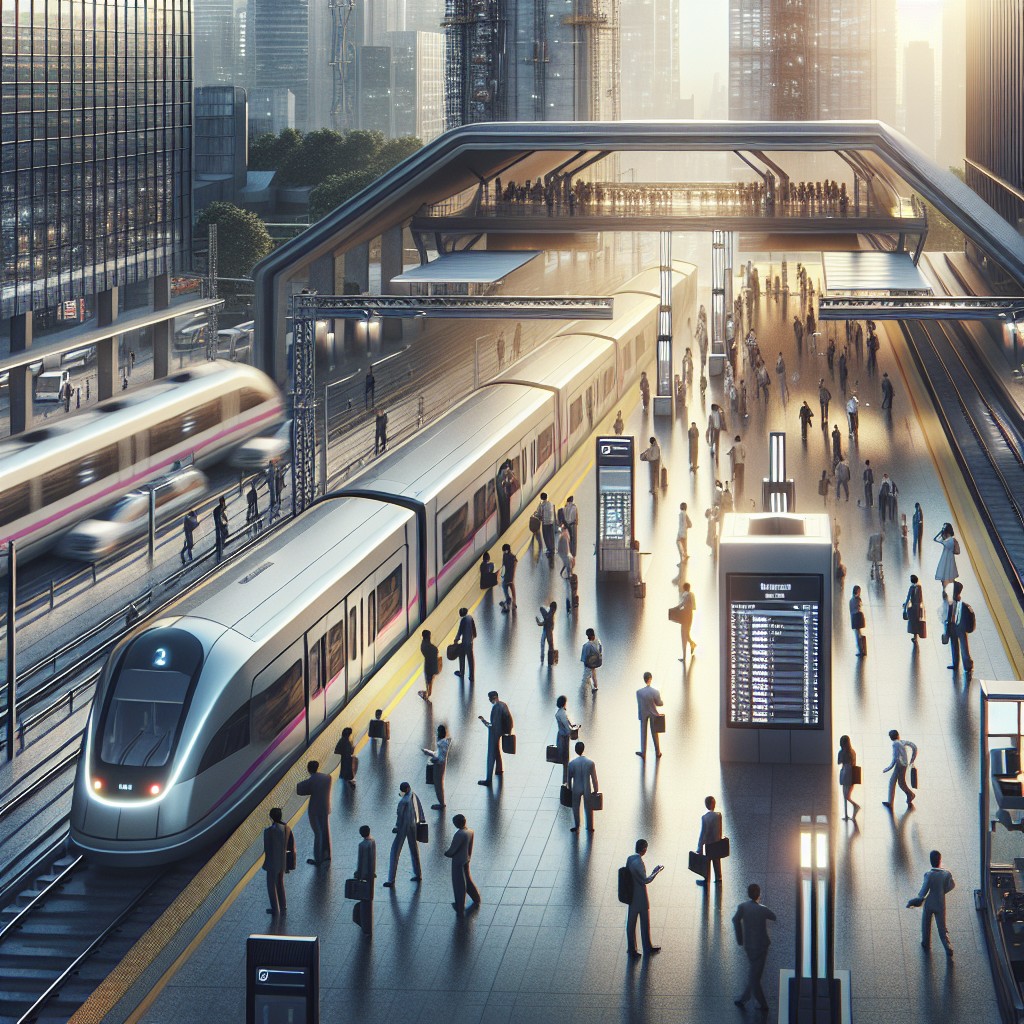
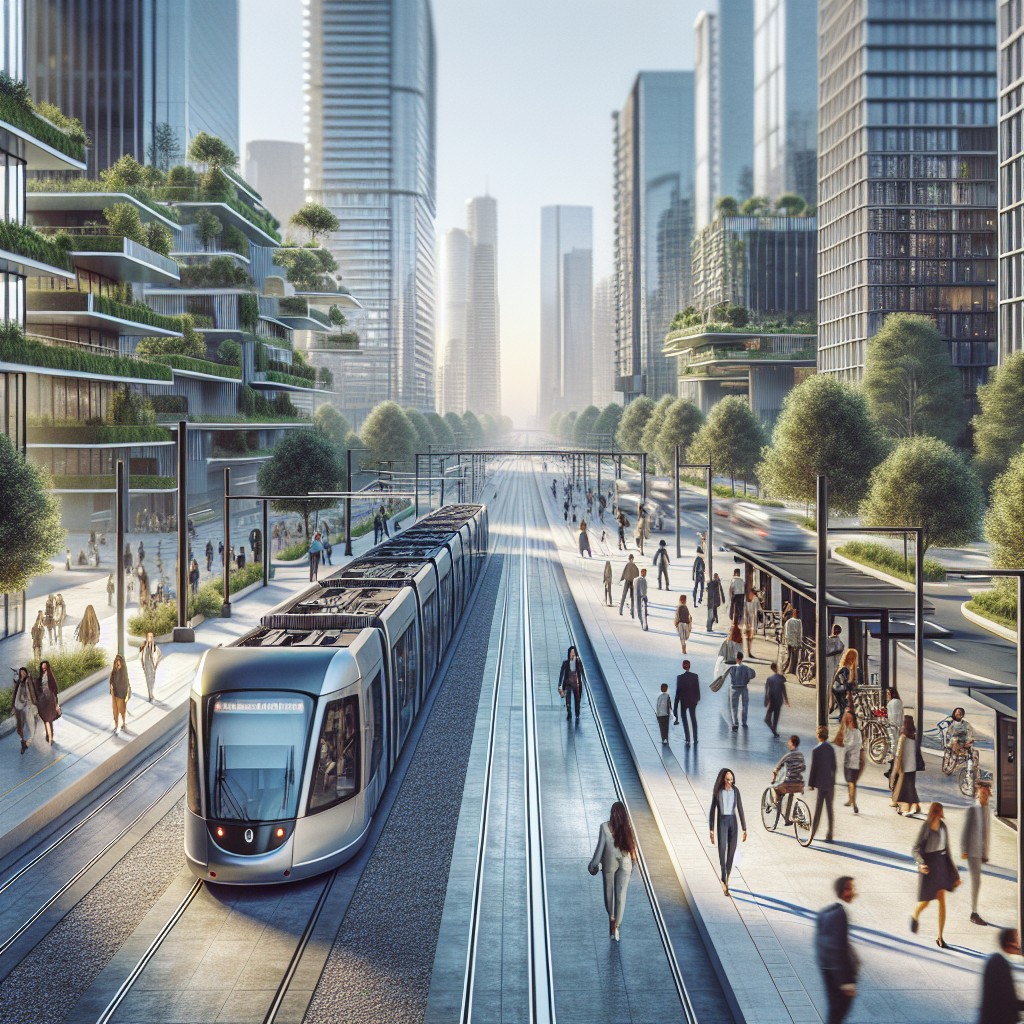
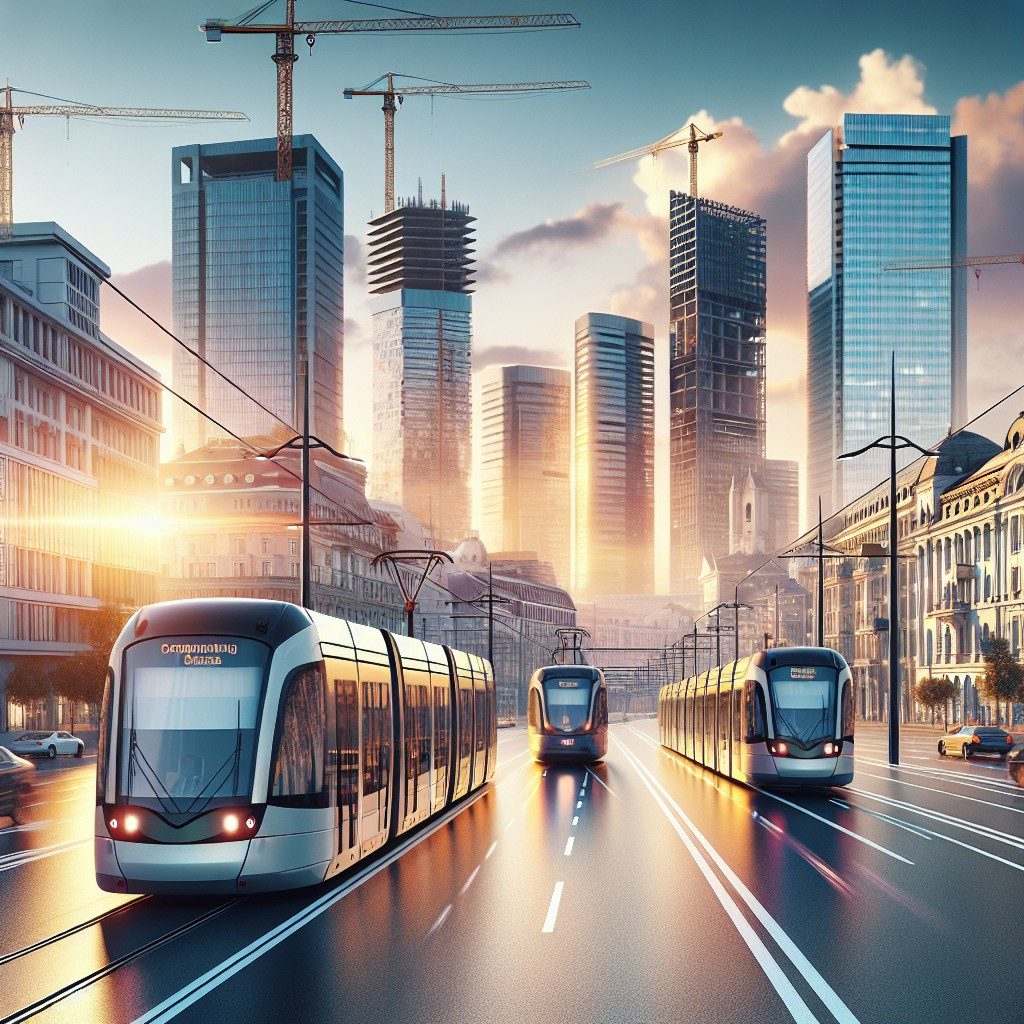
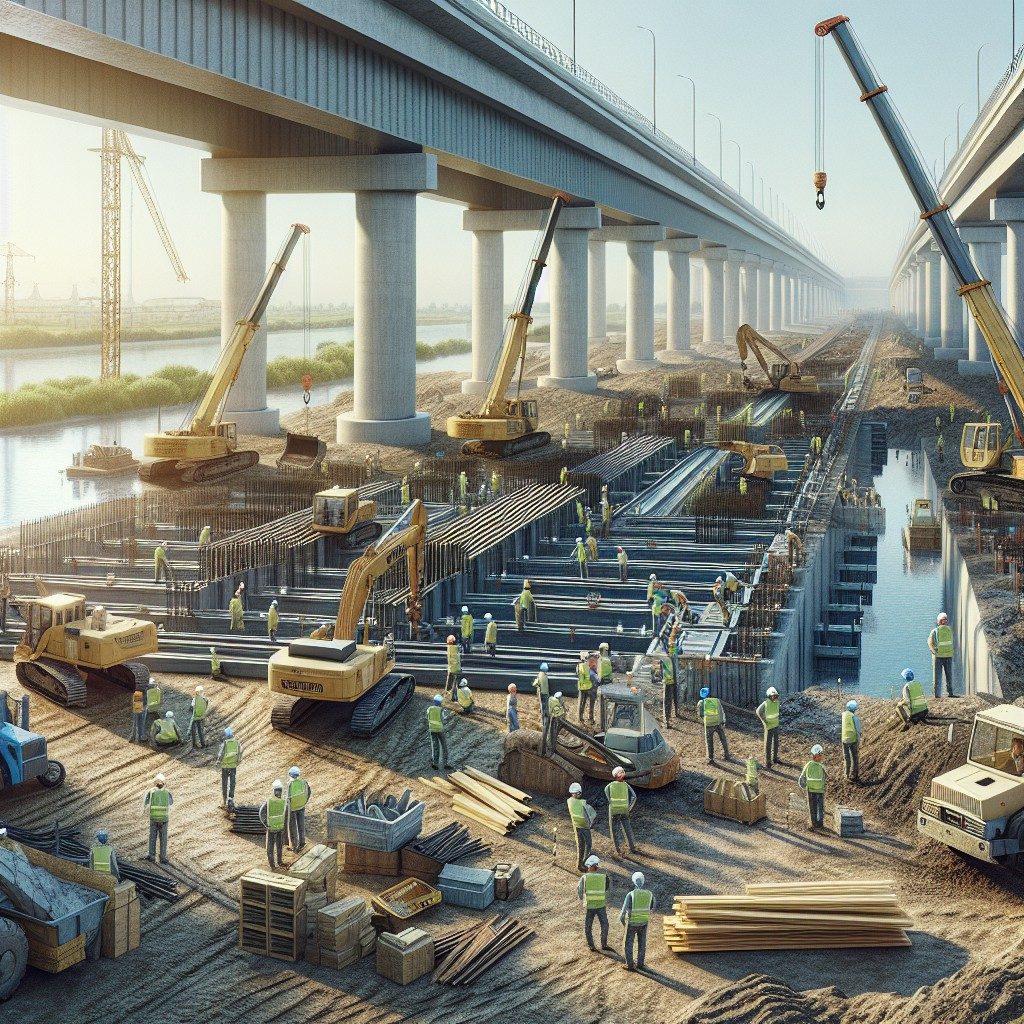
One of the key elements in transit modernization efforts is improving the physical infrastructure of transit networks. Cities like Paris and Tokyo have invested heavily in renewing rail tracks, replacing outdated signaling systems, and expanding capacity to reduce delays. These enhancements not only improve reliability but also reduce maintenance-related disruptions, which have historically deterred riders. Enhanced infrastructure enables transit agencies to offer consistent and timely service, a crucial factor in winning back commuters.
Integrating Technology for Better User Experience
Modern transit projects increasingly emphasize the adoption of technology to improve the passenger experience. Contactless payment systems, real-time tracking apps, and digital information displays have been implemented in transit networks worldwide. For example, New York City’s Metropolitan Transportation Authority introduced extensive mobile app updates that help riders navigate complex systems more efficiently. Such technological integrations have contributed significantly to improved convenience and safety, key drivers in attracting former riders back to public transit.
Addressing Health and Safety Concerns
Health concerns remain a substantial barrier for many potential transit users. In response, transit modernization includes the installation of advanced ventilation systems, frequent cleaning protocols, and the use of antimicrobial materials within vehicles and stations. Cities such as Singapore have demonstrated how these measures can be effectively rolled out, reassuring the public about the safety of transit environments. By addressing these concerns head-on, transit agencies are fostering greater trust and encouraging increased ridership.
Promoting Sustainability and Environmental Benefits
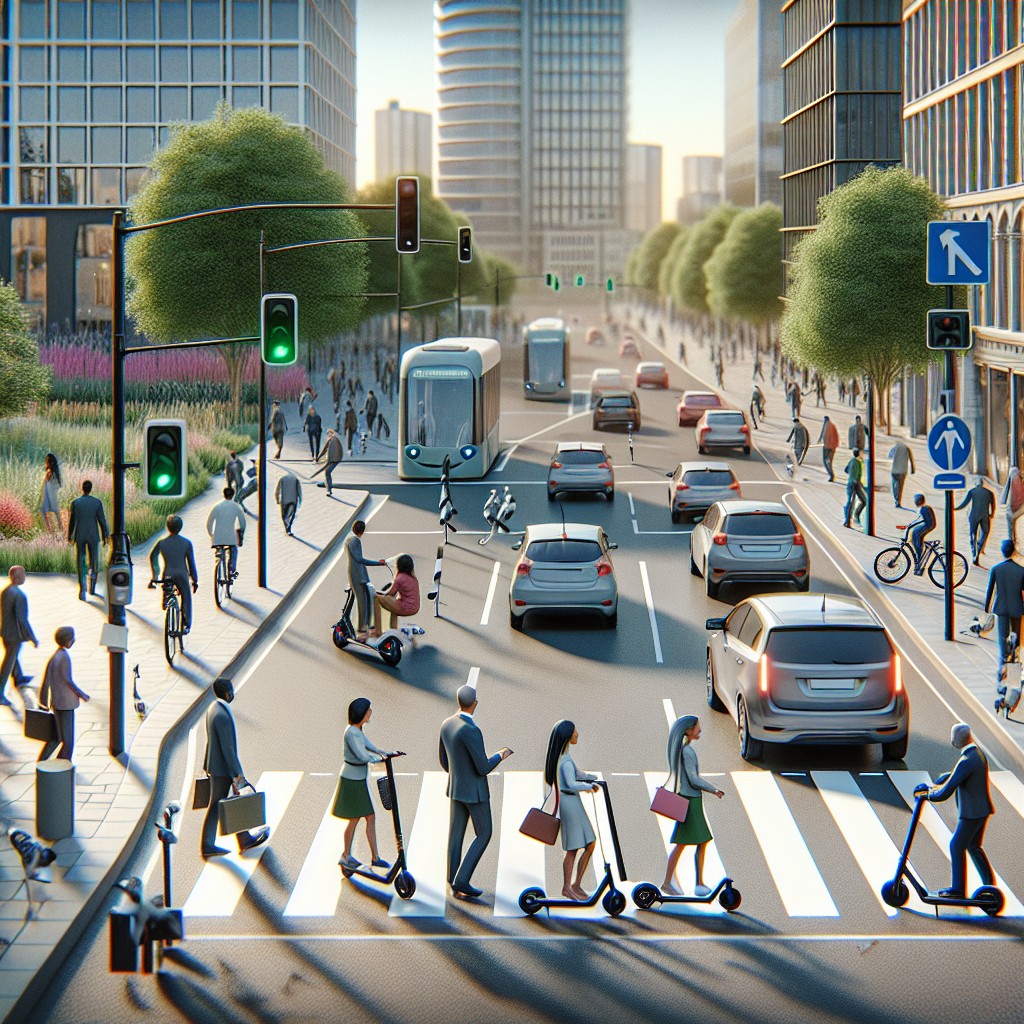
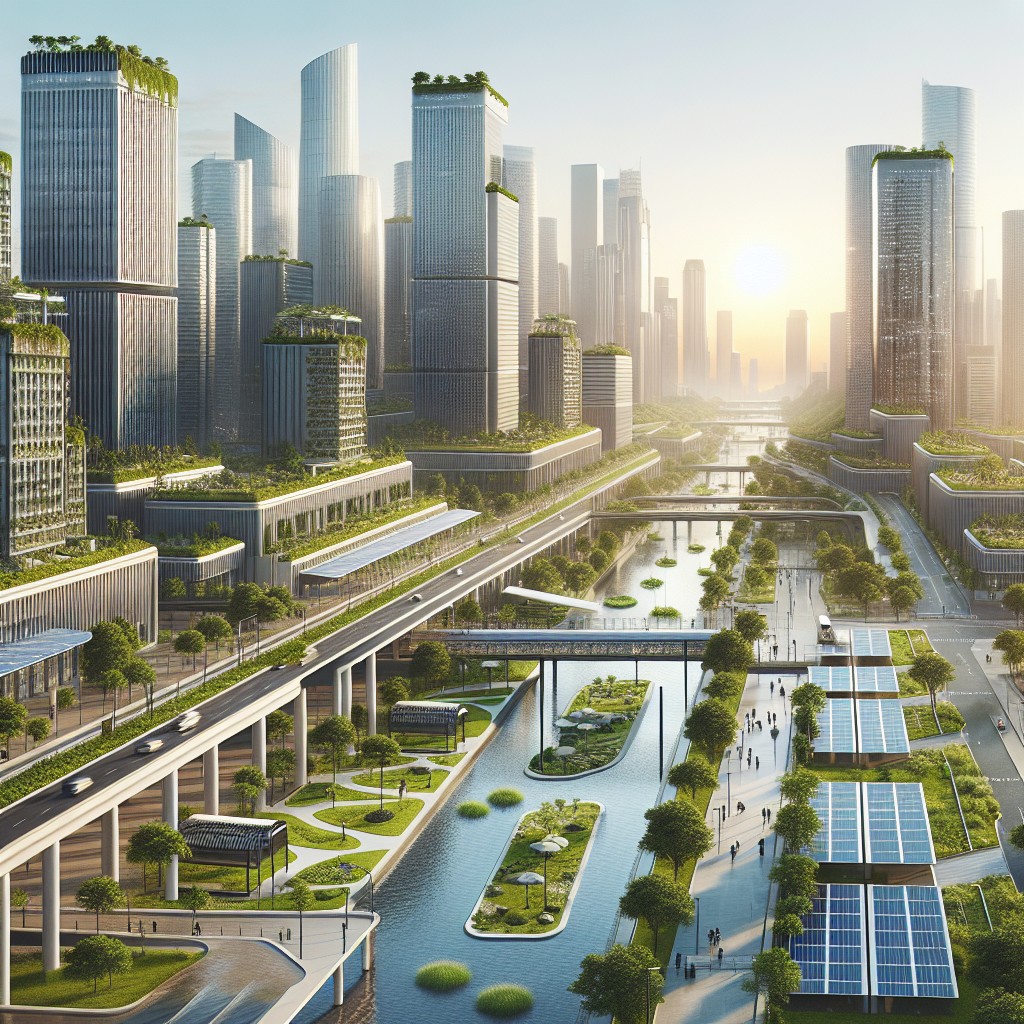
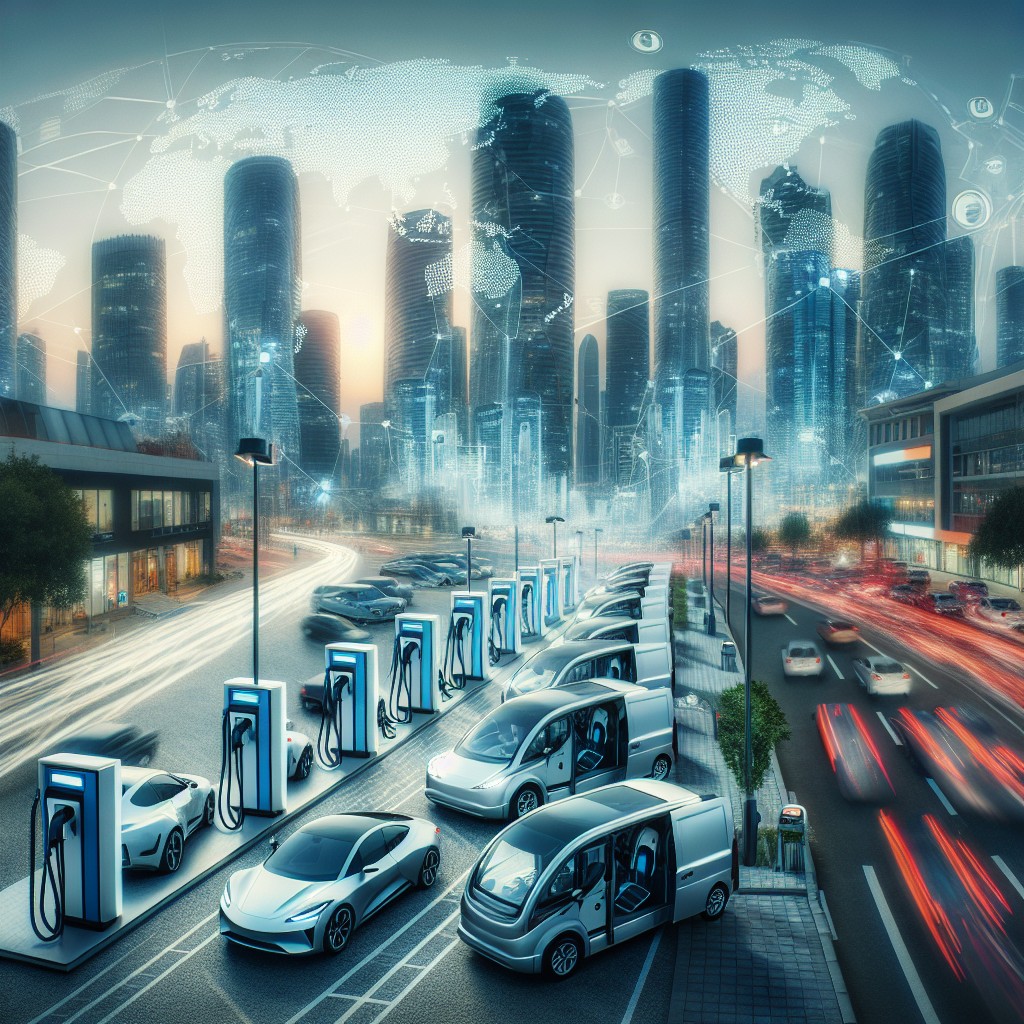
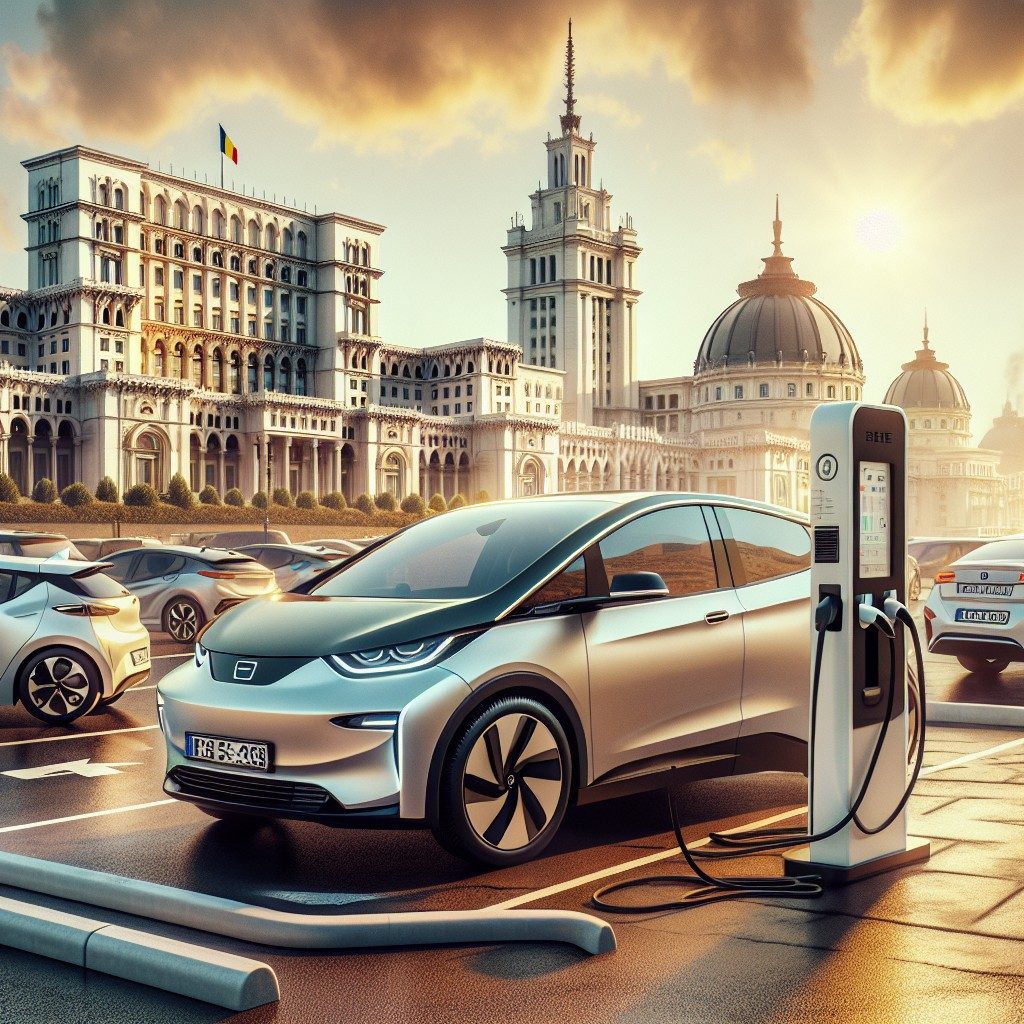
Sustainability is a central theme in contemporary transit modernization projects. Many cities are introducing electric buses, upgrading to energy-efficient trains, and promoting active transit connections such as bike-share programs integrated with transit hubs. These efforts align with broader climate goals and appeal to environmentally conscious commuters. London’s extensive rollout of electric buses and corridor improvements exemplifies how transit modernization can contribute to both cleaner air and improved ridership.
Collaborating with Communities and Stakeholders
Successful transit modernization depends on strong collaboration between agencies, local governments, and communities. Engaging riders through surveys, public consultations, and pilot programs ensures that projects address actual user needs and expectations. In cities like Vancouver, ongoing dialogue with residents has informed transit service adjustments post-disruption, making the system more responsive and equitable. This participatory approach is essential in restoring rider confidence and sustaining long-term usage.
Overall, transit modernization projects represent a comprehensive strategy for transit agencies to recover from recent disruptions. By combining infrastructure upgrades, technological advancements, rigorous safety measures, sustainability initiatives, and stakeholder engagement, these efforts are successfully attracting riders back to public transportation. With continued investment and innovation, the future of transit looks poised for increased resilience and relevance in urban mobility.
Frequently Asked Questions about transit modernization
What is the primary goal of transit modernization?
The primary goal of transit modernization is to upgrade public transportation systems to improve reliability, safety, and user experience, ultimately regaining and increasing ridership after periods of disruption.
How does transit modernization address health concerns?
Transit modernization includes implementing enhanced cleaning protocols, improved ventilation, and the use of antimicrobial materials to create safer environments, helping to alleviate health concerns among passengers.
Can technology improve transit ridership during modernization projects?
Yes, technology such as real-time tracking, contactless payments, and mobile apps enhance convenience and accessibility, making transit systems more attractive and easier to use for riders.
In what ways does transit modernization promote environmental sustainability?
Modernization efforts incorporate electric vehicles, energy-efficient infrastructure, and integration with active transport modes to reduce emissions and promote sustainable urban mobility.
Why is community engagement important in transit modernization?
Community engagement ensures that transit modernization projects reflect the needs and preferences of users, fostering trust and encouraging increased ridership through responsive and equitable service improvements.