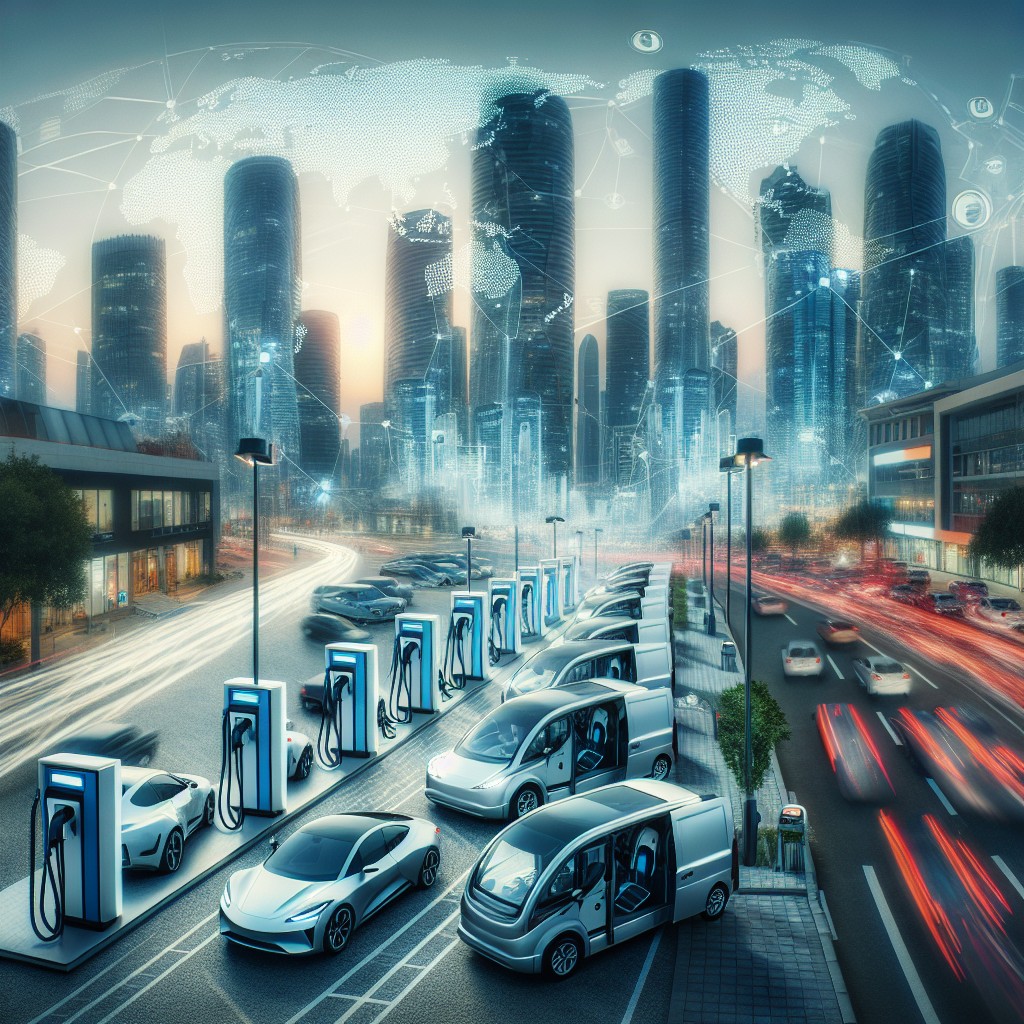
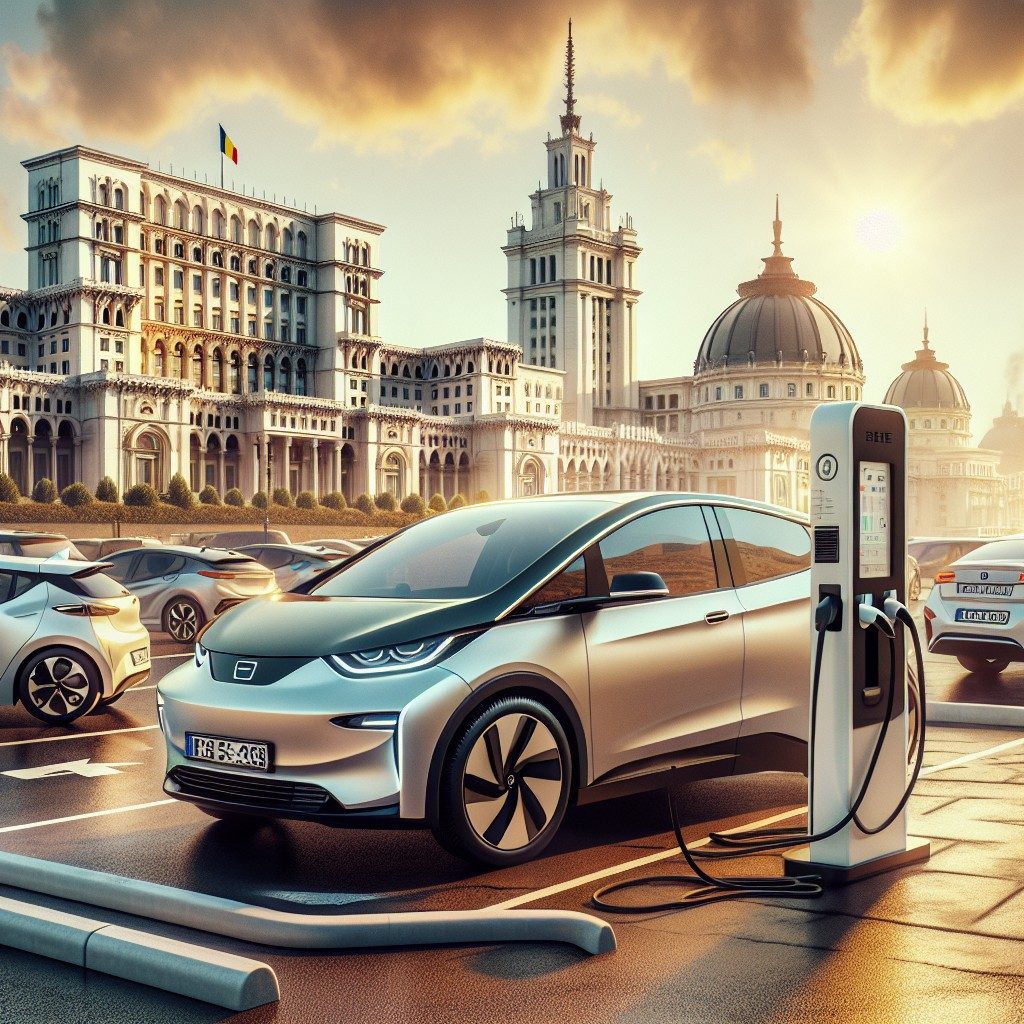
As electric vehicle adoption accelerates across the globe, the expansion of EV charging networks becomes a pivotal factor in supporting this growth. Governments, private companies, and international organizations are investing heavily to scale infrastructure, yet challenges and bottlenecks remain evident in various regions.
Global Expansion of EV Charging Infrastructure
The increase in electric vehicle registrations worldwide has spurred parallel growth in charging station deployment. Regions like Europe, China, and North America lead the way, with governments establishing ambitious targets to expand public and private EV charging networks. This push aims to alleviate range anxiety and encourage consumers to shift from combustion engines to electric alternatives.
Technological Challenges in Scaling EV Charging Networks
One of the main technical hurdles lies in upgrading existing electrical grids to accommodate increased loads from fast-charging stations. Many older urban infrastructures were not designed to support simultaneous high-power demand locations typical in contemporary fast chargers. Furthermore, the diversity of charging standards and connectors globally adds layers of complexity that slow down seamless deployment and interoperability.
Geographical and Urban Disparities
While metropolitan areas tend to have more extensive EV charging options, rural and remote regions often face significant deficiencies. In many countries, the cost and logistical difficulties of installing charging points in less densely populated locations have created an uneven charging landscape. This discrepancy affects overall EV adoption rates and highlights the need for targeted policies and public subsidies in underserved areas.
Regulatory and Economic Barriers
Legislation concerning EV charging deployment varies widely, affecting the pace at which networks can scale. In some jurisdictions, cumbersome permitting processes and unclear regulations delay station installation. Economic factors like upfront investment costs, return on investment uncertainty, and the risk of technology obsolescence also inhibit private sector willingness to expand EV charging networks rapidly.
Innovations and Future Outlook
Significant progress is ongoing to mitigate bottlenecks. Smart charging technologies that optimize energy usage and integrate renewable energy sources are being developed to reduce strain on grids. Wireless charging innovations and battery swapping concepts are explored as complementary solutions. Industry collaboration and international standardization efforts aim to establish uniform protocols and enhance consumer convenience moving forward.
In conclusion, while the global scaling of EV charging networks is advancing and essential for e-mobility growth, challenges related to technical infrastructure, geographic coverage, regulatory frameworks, and economic considerations persist. Addressing these bottlenecks through coordinated efforts from public and private stakeholders will likely determine the effectiveness and speed of EV adoption worldwide.
Frequently Asked Questions about EV charging
What factors currently limit the expansion of EV charging networks worldwide?
The expansion of EV charging networks is limited by technical challenges like electrical grid capacity, regulatory hurdles, high installation costs, and uneven geographic distribution, particularly disadvantaging rural areas.
How do regulatory frameworks impact EV charging infrastructure deployment?
Variable and sometimes unclear regulations can delay permitting and construction processes, affecting how quickly and efficiently new EV charging stations are installed and operated.
Are there technological solutions to the bottlenecks faced in scaling EV charging networks?
Yes, smart charging systems, integration with renewable energy, and standardization of charging protocols are technological advancements helping to overcome current network scaling challenges.
How does the distribution of EV charging stations affect electric vehicle adoption?
Areas with limited EV charging availability, especially remote or rural zones, often see lower EV adoption rates due to range anxiety and convenience concerns, which can slow the overall transition to electric mobility.
What role do private companies and governments play in the development of EV charging networks?
Governments provide regulatory frameworks, subsidies, and strategic planning, while private companies invest in infrastructure development and technological innovation, together driving the scaling of EV charging networks.