As urban populations expand and climate change intensifies, the demand for resilient infrastructure that can withstand floods, heatwaves, and rapid growth rises steadily. Governments and planners worldwide face increasing pressure to develop adaptive and durable systems that secure economic stability and public safety.
Addressing the Challenges of Flood-Prone Regions
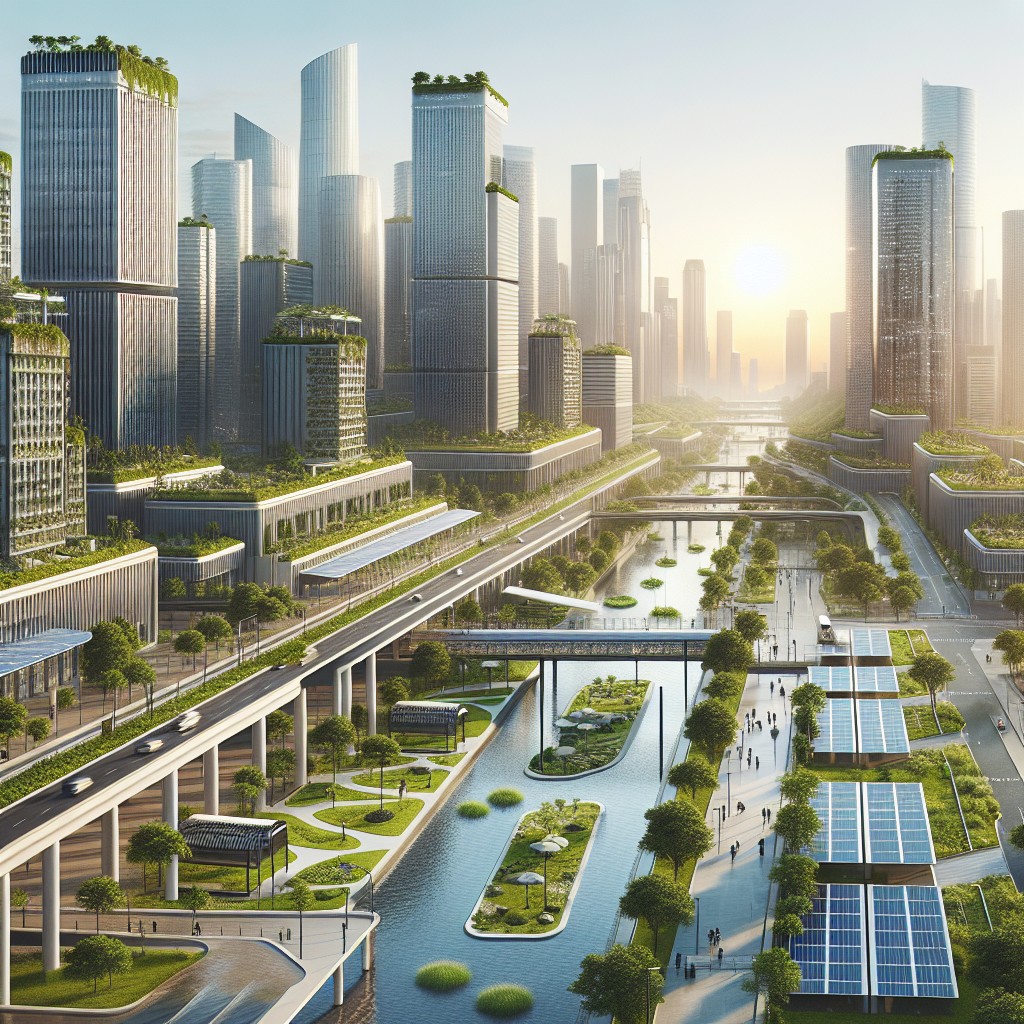
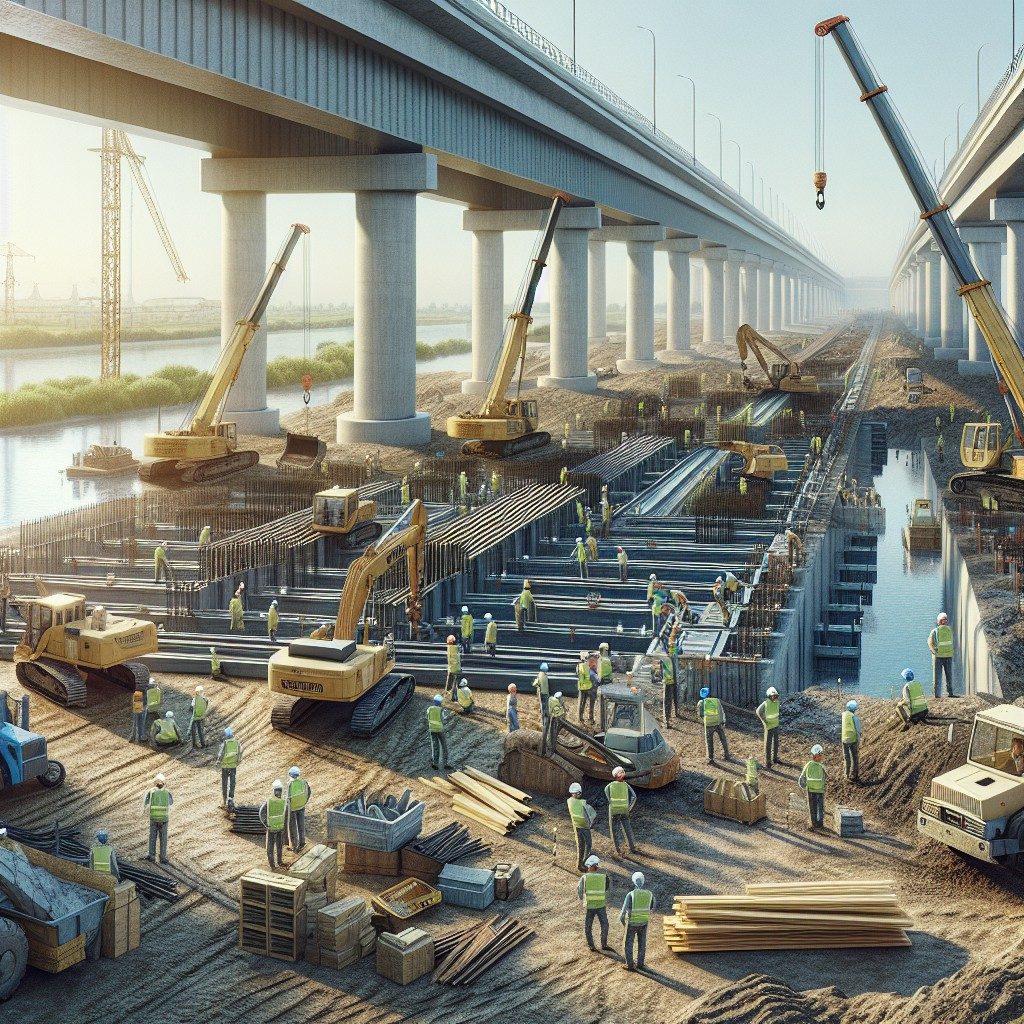
Flooding has become one of the most costly and frequent natural disasters globally. Designing resilient infrastructure in flood-prone areas requires integrating advanced engineering solutions such as elevated roadways, flood barriers, and improved drainage systems. Modern urban projects focus on combining traditional hard infrastructure with nature-based solutions, such as restoring wetlands and creating green spaces that absorb excess water. These combined approaches reduce vulnerability and prevent catastrophic failures during extreme weather events.
Combating Urban Heat through Resilient Infrastructure
Rising temperatures and frequent heatwaves have prompted a reevaluation of infrastructure design. Resilient infrastructure that accommodates increasing heat involves the use of heat-reflective materials, expanded urban vegetation, and innovative cooling technologies. These measures help mitigate urban heat island effects, maintaining critical functioning of transportation, energy, and water systems under stress. Cities integrating these strategies report improved public health outcomes and reduced energy consumption during summer months.
Planning for Rapid Urban Growth and Infrastructure Strain
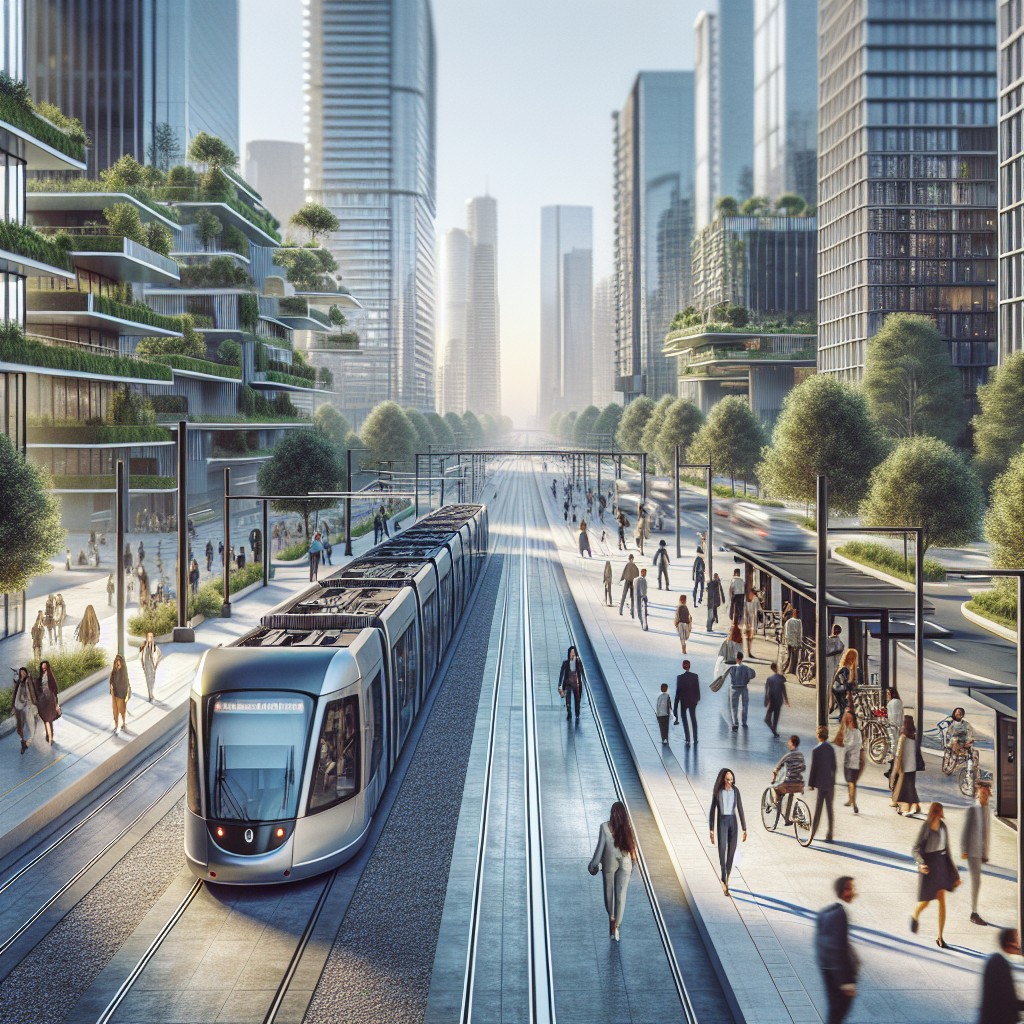
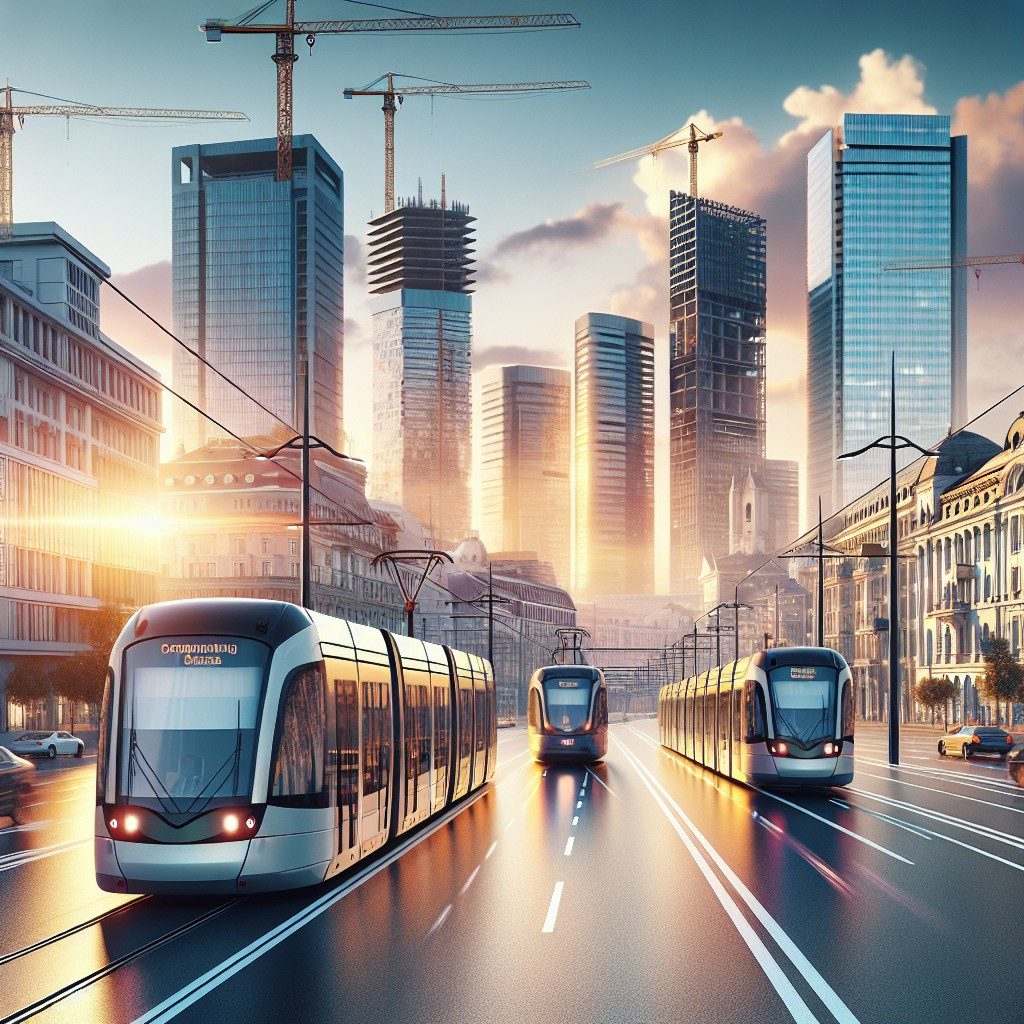
Rapid population growth creates immense challenges for infrastructure systems, which must expand quickly and flexibly to accommodate changing demands. Resilient infrastructure planning involves scalable designs, modular components, and smart technologies enabling real-time monitoring and management. Investments in digital infrastructure and data analytics contribute to predictive maintenance and resource optimization, enhancing the overall endurance of urban environments under pressure.
International Standards and Collaboration in Resilient Infrastructure
Global organizations and governments increasingly collaborate to establish standards and share best practices in resilient infrastructure development. Frameworks such as the United Nations’ Sustainable Development Goals emphasize infrastructure that supports sustainable and inclusive growth. Knowledge sharing through international forums and joint initiatives accelerates the deployment of effective solutions tailored to local vulnerabilities, fostering resilience at multiple scales.
The Economic Impact of Investing in Resilient Infrastructure
Investments in resilient infrastructure reduce long-term costs associated with disaster response and repair. Studies indicate that each dollar spent on resilience planning can save multiple dollars in avoided damages. Furthermore, robust infrastructure supports continuous business operations and protects critical services during disruptions, reinforcing economic stability. Stakeholders are encouraged to consider resilience as a core aspect of infrastructure financing and development policies.
In conclusion, resilient infrastructure tailored to withstand floods, heat, and rapid urban growth represents a crucial element of future-proof urban planning. By integrating adaptive engineering, sustainable materials, and smart technologies, cities can better protect their populations and economies in the face of evolving environmental and demographic pressures. Continued international cooperation and investment will be vital to advancing these efforts globally.
Frequently Asked Questions about resilient infrastructure
What defines resilient infrastructure in the context of climate change?
Resilient infrastructure is designed to endure and quickly recover from climate-related stresses such as floods and heatwaves, ensuring continuous service and minimal disruption.
How does resilient infrastructure help manage rapid urban growth?
It incorporates scalable and flexible systems that can adapt to increasing demand, using modular designs and smart technologies to maintain functionality during rapid expansion.
Why is integrating nature-based solutions important for resilient infrastructure?
Nature-based solutions, such as wetlands restoration, complement traditional infrastructure by providing natural flood absorption and cooling, enhancing overall resilience.
What role do international standards play in resilient infrastructure development?
International standards help harmonize resilience criteria, promote best practices, and facilitate collaboration between countries to improve infrastructure performance worldwide.
Can investing in resilient infrastructure reduce economic losses from disasters?
Yes, effective resilient infrastructure investment can prevent costly damages and interruptions, offering significant economic savings over time.