Public transport systems are essential for urban mobility, economic growth, and environmental sustainability. Romanian cities face increasing demands on their public transport infrastructure, prompting a closer look at successful strategies implemented within the European Union (EU). By examining these best practices, Romanian urban centers can identify practical measures to enhance their own transport networks.
Modernizing Infrastructure for Enhanced Efficiency
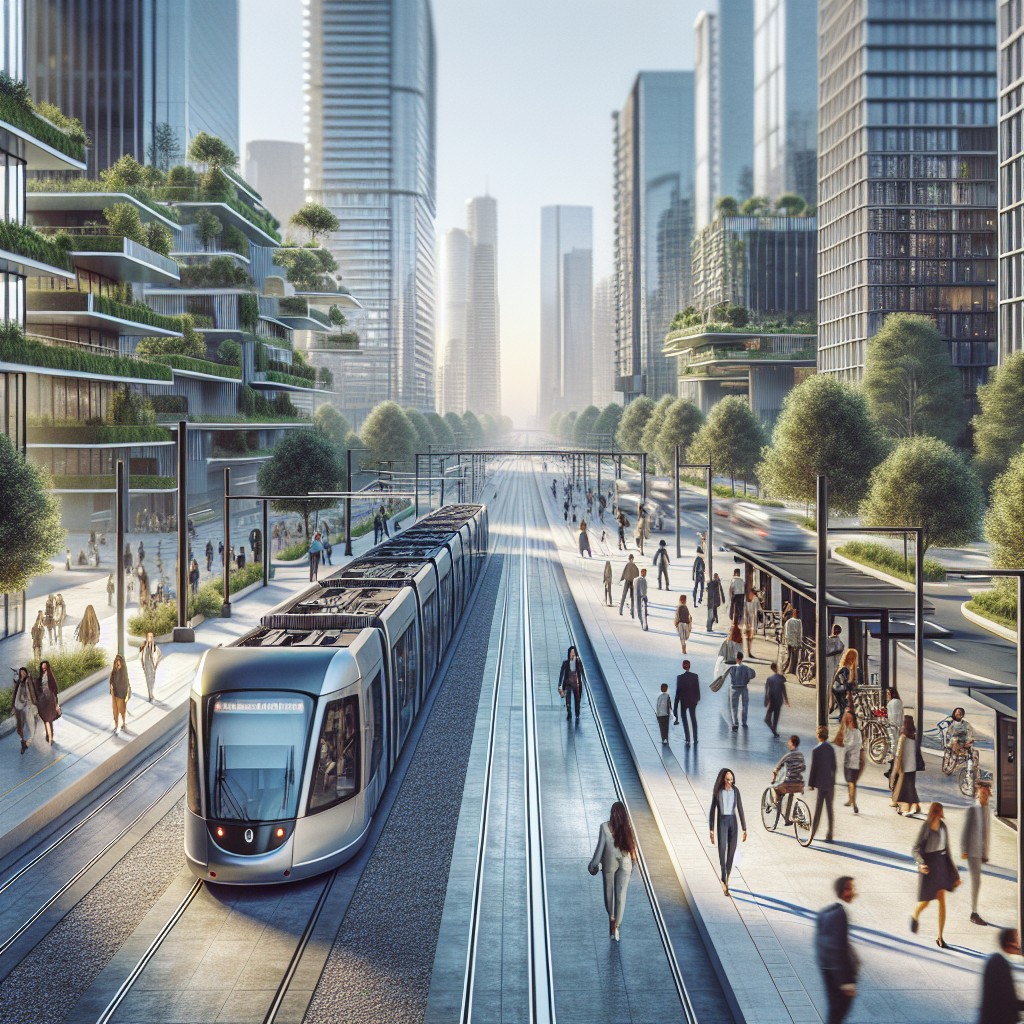
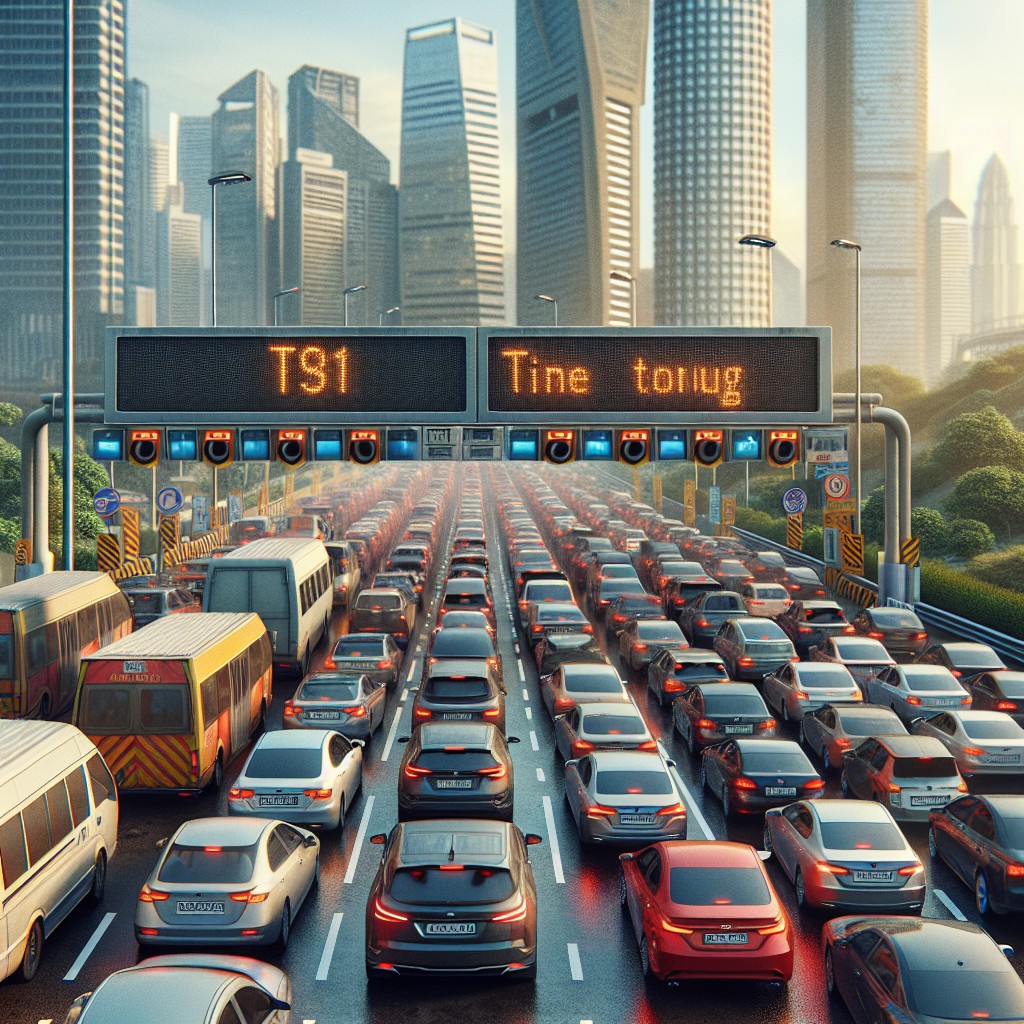
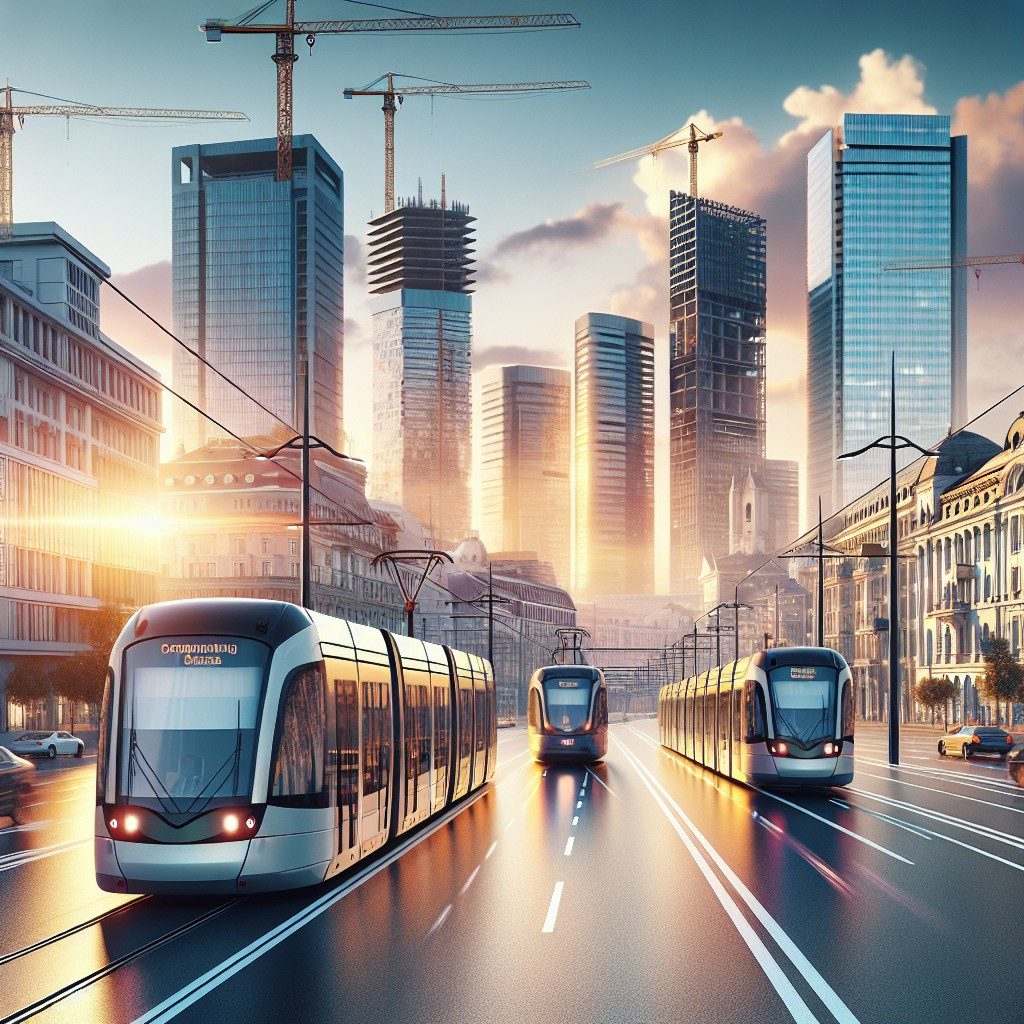
Many EU cities have prioritized upgrading physical infrastructure to improve service efficiency and reliability. This includes investments in tram and bus lanes that reduce congestion and ensure timely schedules. Cities like Amsterdam and Vienna have developed extensive, dedicated lanes for public transport, enabling faster travel times and better adherence to timetables. Romanian cities such as Bucharest and Cluj-Napoca could adopt similar infrastructure improvements to decrease delays and encourage higher ridership.
Implementing Smart Ticketing Systems
Smart ticketing innovations have revolutionized public transport across Europe by offering greater convenience and seamless integration. For instance, cities including Berlin and Paris have introduced contactless payment methods linked with mobile apps, facilitating quick and cashless boarding. Embracing such technology enables data collection on passenger flows, which can be used to optimize route planning. For Romanian public transport providers, incorporating these digital systems would represent a significant step toward modernization and user satisfaction.
Promoting Sustainable and Eco-Friendly Transport Options
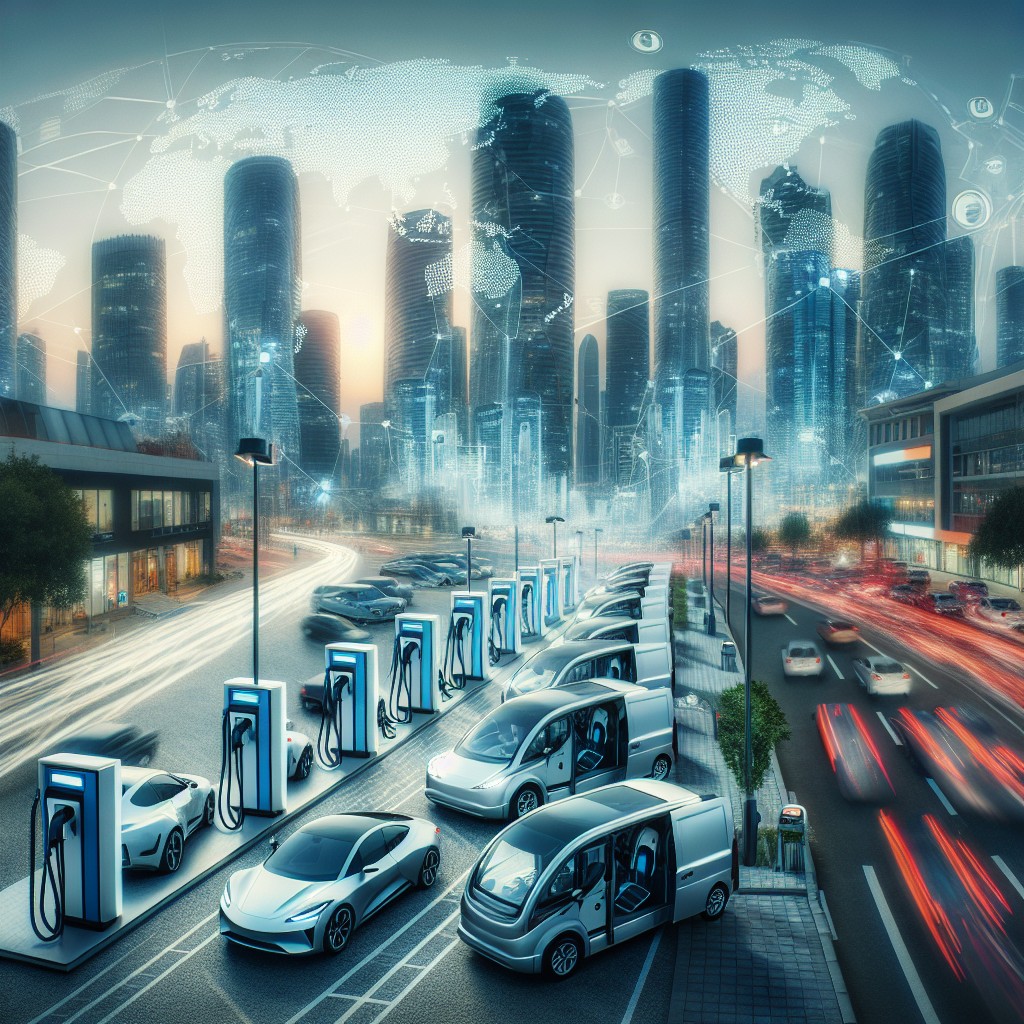
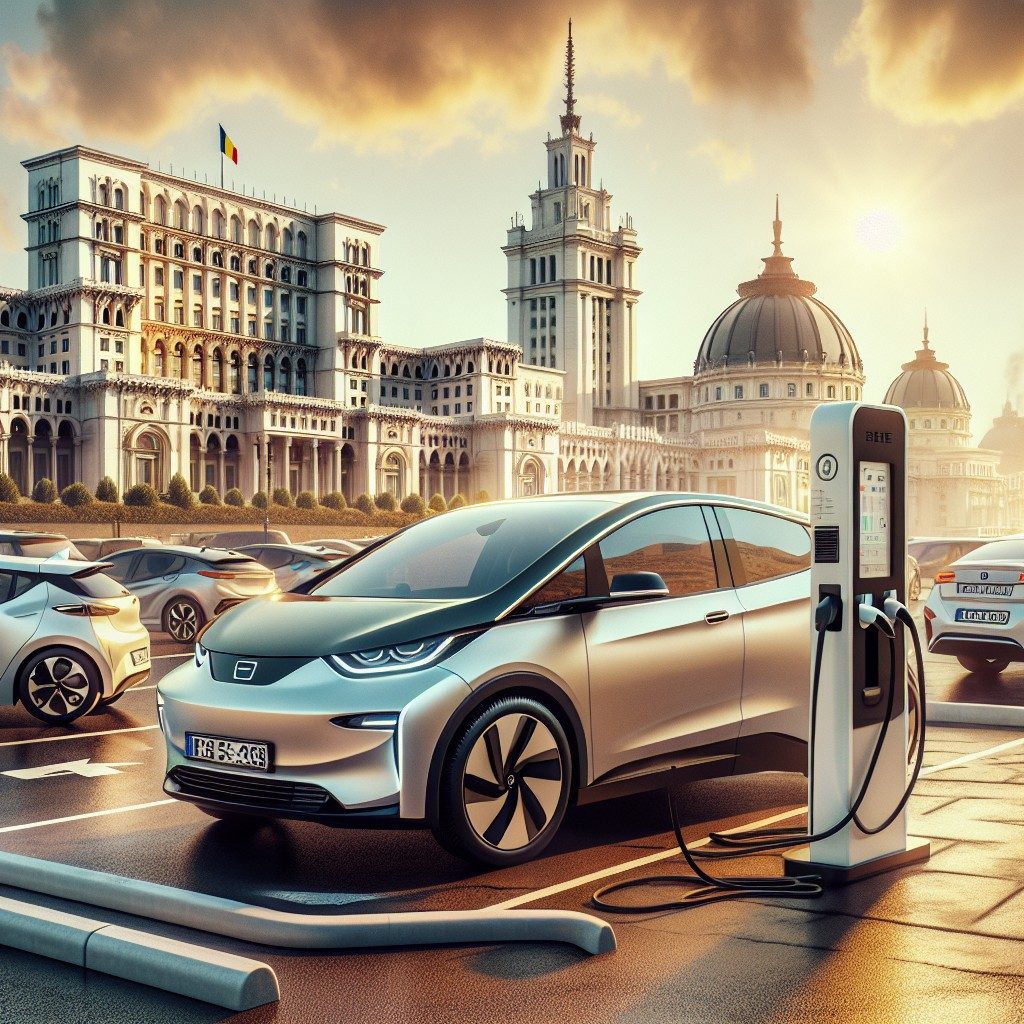
EU directives emphasize reducing carbon emissions through sustainable transport solutions. Cities like Copenhagen and Stockholm have extensively integrated electric buses and hybrid vehicles into their fleets, alongside promoting cycling infrastructure to complement public transit. By investing in greener technologies, Romanian cities can contribute to climate goals while improving air quality and promoting healthier urban environments.
Enhancing Accessibility for All Passengers
Accessibility remains a priority in EU public transport policies, ensuring equitable mobility for people with disabilities, seniors, and families. Infrastructure adaptations such as low-floor vehicles, tactile pavements, and audible announcements have become standard in cities like Barcelona and Helsinki. Romanian public transport authorities can take cues from these inclusive design principles to make transit more accessible and user-friendly, thereby increasing ridership across diverse demographics.
Integrating Multimodal Transport Solutions
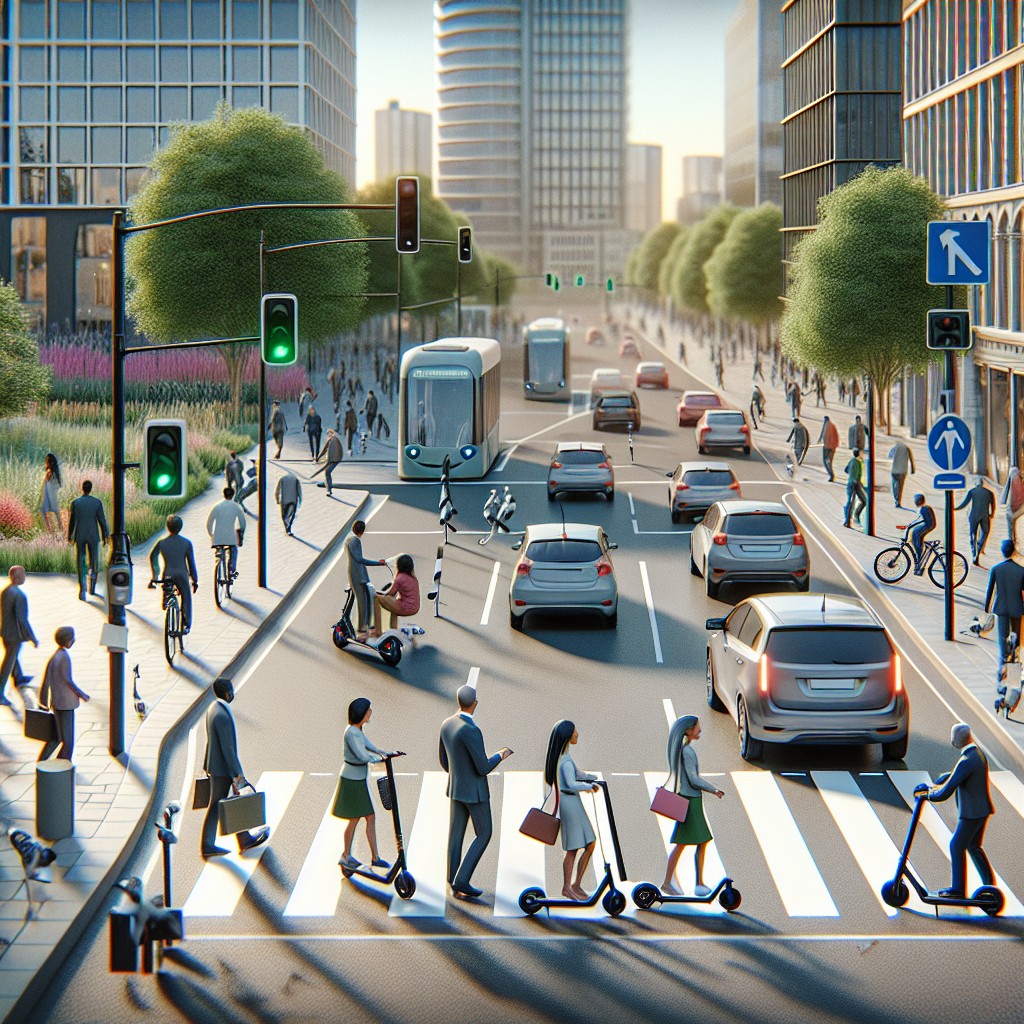
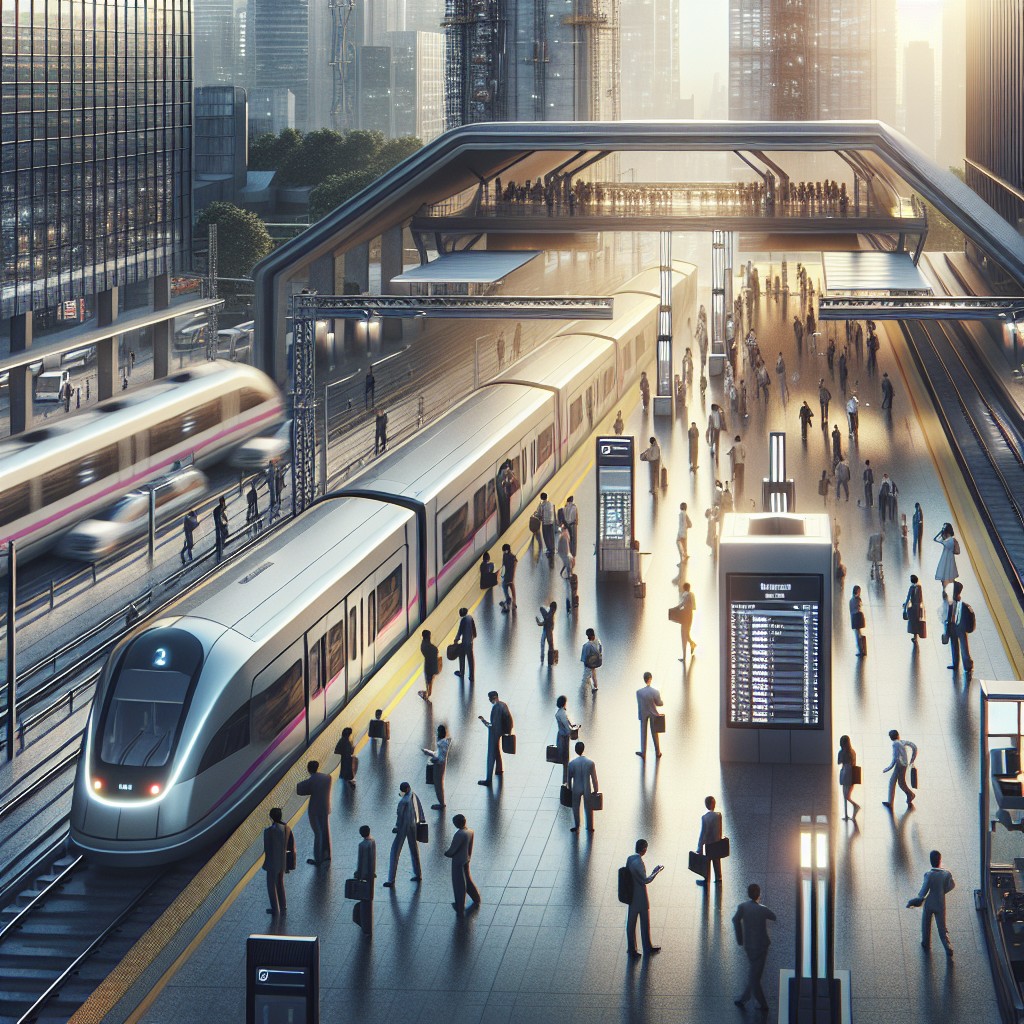
Seamless integration of different transport modes is a hallmark of many successful EU cities. Systems that coordinate buses, trams, metro, and bike-sharing services facilitate smooth transfers and reduce travel times. For example, Zurich’s unified transport network incorporates coordinated schedules and unified ticketing, encouraging public transport usage. Romanian cities might adopt such multimodal frameworks to streamline urban mobility and offer residents practical alternatives to private car use.
Ultimately, Romanian cities stand to benefit substantially by learning from established EU public transport practices. Focusing on infrastructure modernization, digital innovation, sustainability, accessibility, and effective integration can lead to improved service quality and increased ridership. As public transport demands evolve, adopting proven strategies from leading European examples offers a realistic path for Romanian cities toward more efficient, environmentally friendly, and inclusive urban mobility.
For comprehensive insights into global public transport developments, authoritative sources such as the International Association of Public Transport (UITP) provide valuable resources. Additionally, up-to-date news and analyses from [BBC Transport Section](https://www.bbc.com/news/transport) complement the understanding of ongoing trends and technological advancements.
Frequently Asked Questions about public transport
What are the key improvements Romanian cities can implement in their public transport systems?
Romanian cities can focus on modernizing infrastructure, adopting smart ticketing, promoting sustainable vehicles, improving accessibility, and creating integrated multimodal networks to enhance their public transport systems.
How does modern infrastructure impact public transport efficiency?
Modern infrastructure such as dedicated lanes and upgraded stations reduces delays and increases the reliability of public transport, encouraging more passengers to use these services.
Why is smart ticketing important in public transport?
Smart ticketing simplifies fare payment, reduces boarding times, and helps collect data to optimize routes, making public transport more user-friendly and efficient.
What role does sustainability play in EU public transport initiatives?
Sustainability is crucial in EU public transport plans, with emphasis on electro-mobility, reducing emissions, and supporting environmentally friendly alternatives to improve urban air quality and combat climate change.
How can accessibility features improve public transport usage?
Accessibility features ensure that public transport is usable by all passengers, including those with disabilities and the elderly, leading to wider inclusivity and increased ridership.